Research Points to Tool Design as a Primary Barrier to Daily Flossing
Studies consistently show that difficulty and inconvenience, not lack of awareness, are the main obstacles to
Press Release Disclaimer: This is a press release distributed through the XPR Media network. It has not been independently verified by our newsroom.
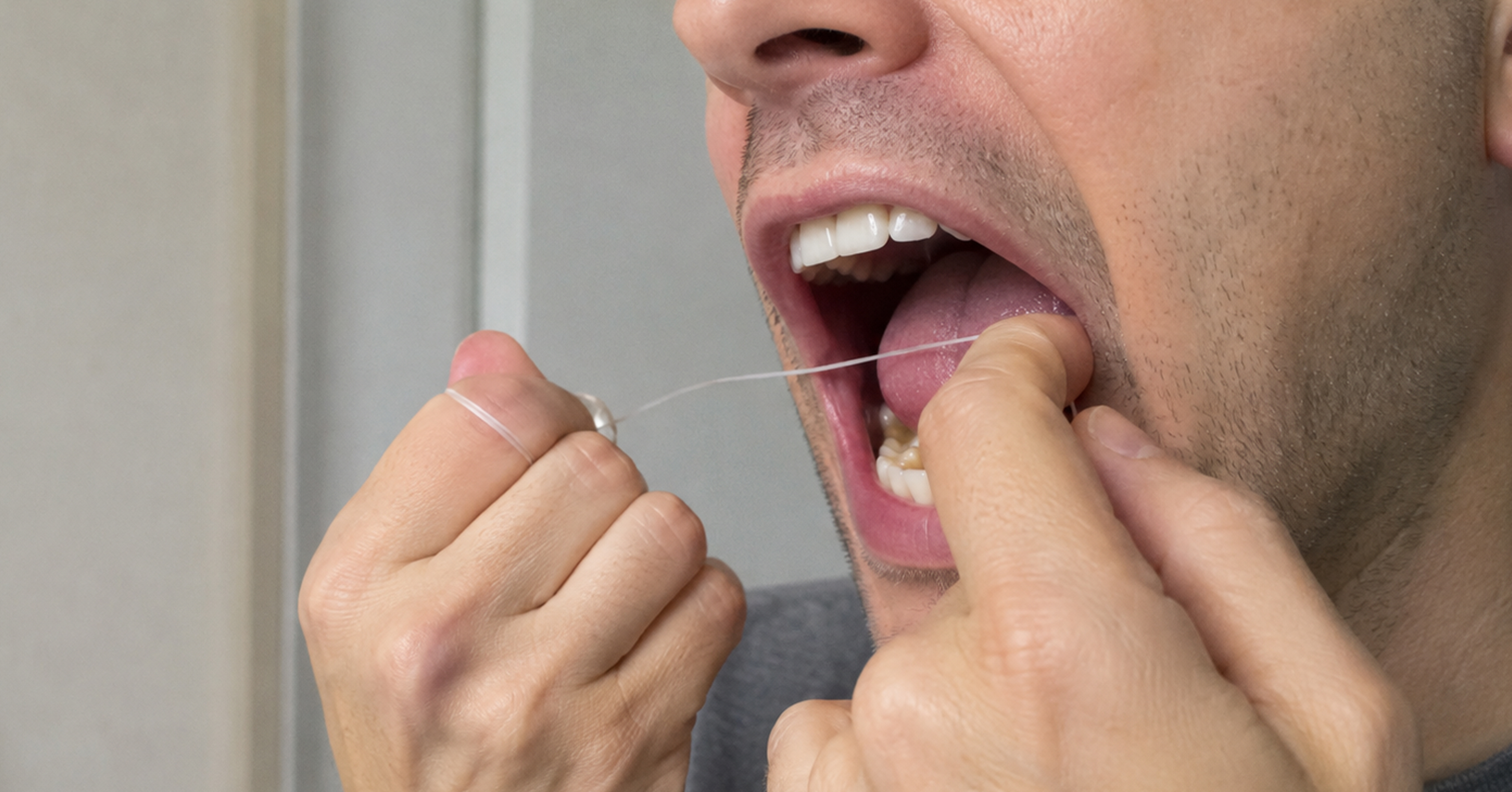

Studies consistently show that difficulty and inconvenience, not lack of awareness, are the main obstacles to interdental cleaning.
SAN FRANCISCO, CA, UNITED STATES, August 18, 2026 /EINPresswire.com/ — Dentists have recommended daily flossing for decades, and most adults are well aware that cleaning between their teeth matters. Yet surveys continue to show that only around 30% of adults floss daily, while roughly a third never floss at all. A growing body of research suggests the gap between knowing and doing is largely a question of the tool itself.
Standard string floss demands a surprisingly specific set of physical skills. A 2024 observational study published in Clinical Oral Investigations filmed 94 participants flossing and found that only 2 of the 94 were able to correctly clean their entire dentition at baseline, before any instruction was given. Even after receiving video instruction, fewer than half reached the correct technique. Participants consistently reported that reaching the back teeth was difficult and more time-consuming than they expected.
The physical challenge is well documented. Research published in the Journal of Dental Hygiene confirmed that effective flossing requires functional bilateral manual dexterity, and that lower dexterity levels directly limit how well flossing works in practice. For older adults, people with arthritis, and anyone with reduced fine motor control, the technique itself becomes the obstacle.
Timing makes the problem worse. Flossing is typically done at night, at the end of the day, when mental and physical energy are at their lowest. A task that requires dexterity, concentration, and a willingness to spend extra minutes in the bathroom is precisely the kind of task that tired people skip.
Clinical guidance has shifted in response. Interdental brushes, soft picks, and floss picks are now routinely recommended for people who find string floss difficult to manage, and several studies have found higher rates of consistent use with these alternatives. The broader direction in the field is toward matching the tool to the person rather than expecting the person to adapt to the tool.
Based in San Francisco, Tonochi is an oral care firm dedicated to improving interdental health, focusing on the spaces between teeth where most oral problems begin. The company develops a range of interdental tools including floss, floss picks, and soft picks, combining functional engineering and human-centered design to address the root causes of cavities and periodontal disease. Products are available at tonochi.com and on Amazon.
Rachel Zhang
Tonochi
+1 707-559-8111
email us here
Visit us on social media:
LinkedIn
Instagram
Facebook
YouTube
TikTok
Other
Legal Disclaimer:
EIN Presswire provides this news content “as is” without warranty of any kind. We do not accept any responsibility or liability
for the accuracy, content, images, videos, licenses, completeness, legality, or reliability of the information contained in this
article. If you have any complaints or copyright issues related to this article, kindly contact the author above.

Media gallery